 newsxiang.site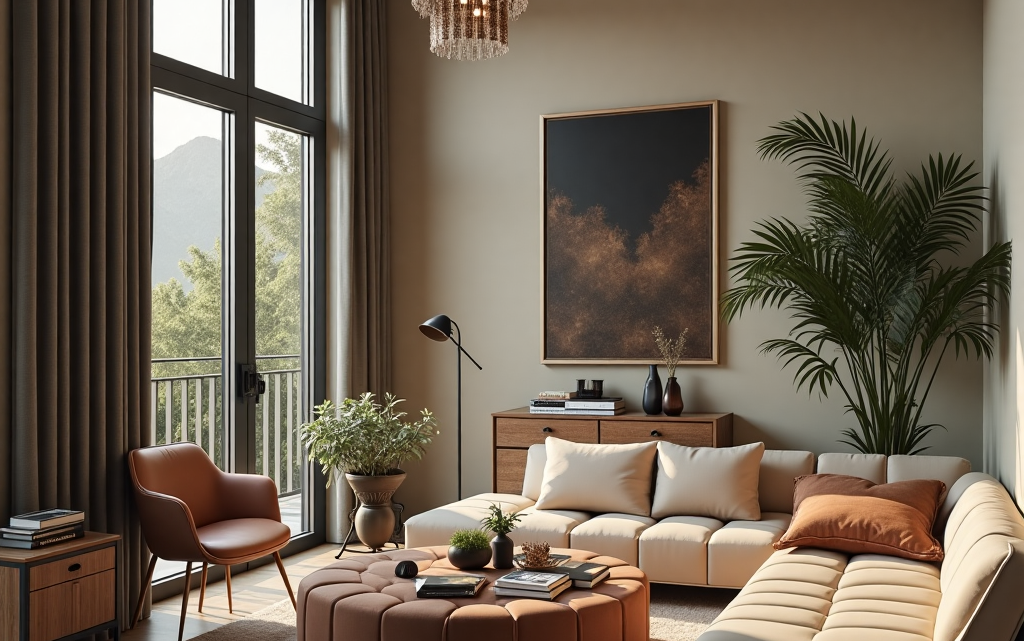
The Timeless Appeal of the Old Money Aesthetic
When we think of luxury, elegance, and sophistication, the term “Old Money Aesthetic” often comes to mind. This style is deeply rooted in tradition, history, and a sense of understated wealth that has been refined over generations. It’s not about flashy or modern opulence but rather a classic, timeless elegance that exudes confidence and heritage. In this article, we’ll explore the essence of the Old Money Aesthetic, how it influences design, fashion, and lifestyle, and why it continues to captivate people today.
Understanding the Old Money Aesthetic
The Old Money Aesthetic is characterized by a blend of simplicity, sophistication, and a deep respect for history and craftsmanship. It’s a style that has evolved over centuries, often associated with the elite who have accumulated wealth over generations. Unlike the “New Money” aesthetic, which is often bold, brash, and modern, the Old Money style is more reserved and elegant. It’s about creating an atmosphere of warmth, comfort, and timeless beauty, rather than showcasing wealth through flashy displays.
At its core, the Old Money Aesthetic is about quality, not quantity. It emphasizes the use of high-quality materials, intricate detailing, and a harmonious balance of colors and textures. This style often draws inspiration from European traditions, particularly from the 18th and 19th centuries, where opulence was expressed through subtle craftsmanship and attention to detail. The result is a space or an outfit that feels both luxurious and approachable, with a sense of history and character that cannot be replicated overnight.
Key Elements of the Old Money Aesthetic
- Antiques and heirlooms: Old Money interiors and wardrobes often feature pieces passed down through generations, giving them a unique, irreplaceable charm.
- Neutral color palettes: Earthy tones like beige, cream, gold, and deep jewel colors are common, creating a sophisticated and timeless backdrop.
- Rich textures: Velvet, silk, damask, and other luxurious fabrics are used to add depth and warmth to spaces and clothing.
- Symmetry and balance: Rooms and designs are often arranged symmetrically, reflecting a sense of order and refinement.
- Subtle patterns: Intricate designs like damask, toile, or herringbone are preferred over bold, modern patterns.
- High-quality craftsmanship: Pieces are often handcrafted or made with meticulous attention to detail, showcasing the value of time and effort.
These elements work together to create a space or look that feels both luxurious and lived-in, with a sense of history and authenticity that sets it apart from more contemporary styles. The Old Money Aesthetic is not just about material wealth but also about cultural and historical richness, making it a style that resonates with those who appreciate tradition and timeless beauty.
Interior Design Inspired by Old Money
In interior design, the Old Money Aesthetic is often associated with grand, historic homes. Think of the opulent estates of Europe or the classic New England manors. These spaces are designed to feel welcoming and comfortable while still exuding a sense of grandeur and refinement. The key is to mix antique pieces with modern comforts in a way that feels seamless and effortlessly elegant.
Furniture Choices
Old Money interiors rely heavily on well-crafted, often antique furniture. Pieces like ormolu clocks, mahogany sideboards, and carved wood chairs are common. These items are not just functional but also serve as conversation starters, each with its own story and history. Modern reproductions of these classic designs are also popular, as they allow for a similar aesthetic without the need for authentic antiques.
When selecting furniture for an Old Money-inspired space, consider pieces that are both beautiful and durable. Look for items with intricate detailing, such as carved legs or ornate handles, which add to the sense of history and craftsmanship. Sofas and chairs are often covered in rich, textured fabrics like velvet or damask, providing a comfortable yet luxurious feel.
Color Scheme and Decor
The color palette in Old Money interiors is typically muted and neutral, with deep jewel tones like emerald green, sapphire blue, or ruby red used as accents. These colors add a touch of sophistication without overwhelming the space. Walls are often painted in soft, creamy tones, while floors are covered in richly colored carpets or polished wood.
Decorative elements like oil paintings, crystal chandeliers, and marble fireplaces are staples in this style. These items create a sense of grandeur and warmth, making the space feel lived-in and cherished. Lighting plays a crucial role, with lamps and fixtures often featuring Tiffany-style stained glass or polished brass finishes. These details add a touch of elegance and create a warm, inviting ambiance.
One of the defining features of Old Money interiors is the use of layered textures. Velvet curtains, silk drapes, and linen upholstery create a soft, luxurious feel, while heavy carpets and polished wood add warmth and depth. The combination of these textures creates a space that feels both comfortable and elegant, perfect for entertaining or simply enjoying a quiet evening at home.
Fashion and the Old Money Aesthetic
Just as the Old Money Aesthetic influences interior design, it also plays a significant role in fashion. The style is often associated with timeless elegance, where clothing choices reflect a sense of refinement and heritage. This is not about following the latest trends but rather about creating a wardrobe that stands the test of time, with pieces that can be worn for years without looking outdated.
Key Fashion Elements
- Classic cuts: Tailored suits, blazers, and dresses with clean, classic lines are staples of the Old Money aesthetic in fashion.
- Rich fabrics: Fabrics like cashmere, silk, and velvet are preferred, offering a luxurious feel and timeless appearance.
- Neutral tones: Earthy tones like beige, taupe, and cream are the foundation, with pops of color added through accessories or statement pieces.
- Quality over quantity: The focus is on owning a few, well-crafted pieces rather than a large collection of trendy items.
- Accessories: Statement jewelry, watches, and handbags are often used to add a touch of elegance and refinement.
- Shoes: Classic loafers, oxford shoes, and elegant heels are preferred, offering a sense of sophistication and timeless style.
In fashion, the Old Money Aesthetic is all about creating a polished, put-together look that exudes confidence and refinement. It’s about investing in pieces that will last a lifetime, rather than chasing fleeting trends. This style is often associated with the upper class, who have the means to invest in high-quality, timeless clothing and accessories.
How to Incorporate Old Money into Your Wardrobe
If you’re looking to incorporate the Old Money Aesthetic into your wardrobe, start by focusing on classic, well-tailored pieces. A tailored blazer or suit is a great way to achieve that polished look. Add rich textures like cashmere or silk to your outfits for a luxurious feel. Consider investing in a few statement accessories, such as a vintage watch or a beautifully crafted handbag, to add a touch of elegance to your everyday look.
When it comes to color, stick to neutrals as your foundation. Earthy tones like beige, taupe, and cream are perfect for creating a timeless, sophisticated look. Add pops of color through scarves, shoes, or jewelry, but keep them subtle and understated. The goal is to create a look that feels elegant and refined, without appearing overly flashy or trend-driven.
Finally, don’t forget the importance of quality. Old Money fashion is about investing in pieces that are well-crafted and durable. Look for brands known for their attention to detail and high-quality materials. A well-made pair of shoes or a beautifully tailored dress will last for years, becoming a cherished part of your wardrobe.
Architecture and the Old Money Aesthetic
Architecture is another area where the Old Money Aesthetic shines. These buildings often reflect a sense of grandeur and permanence, with designs that have stood the test of time. Think of the classic Georgian or Victorian homes, with their symmetrical facades, ornate details, and sense of proportion. These architectural styles are often associated with the Old Money aesthetic, as they exude a sense of history and refinement.
Key Architectural Features
- Classical symmetry: Old Money architecture often features symmetrical facades and balanced interior layouts, creating a sense of order and refinement.
- Ornate detailing: Intricate moldings, cornices, and other architectural details add to the sense of history and craftsmanship.
- Use of natural materials: Wood, stone, and marble are common, offering a sense of warmth and durability that modern materials often lack.
- Large windows: Grand windows allow natural light to flood the space, creating a sense of openness and elegance.
- High ceilings: High ceilings add to the sense of grandeur, making spaces feel expansive and luxurious.
- Fireplaces: Marble or wood fireplaces are often central to the design, serving as both a functional and decorative element.
Old Money architecture is all about creating a sense of permanence and timelessness. These buildings are designed to last for generations, with a focus on quality materials and meticulous craftsmanship. The result is a space that feels both elegant and welcoming, with a sense of history that adds to its charm.
Modern Interpretations of Old Money Architecture
While the Old Money Aesthetic is deeply rooted in tradition, modern architects and designers often reinterpret these classic styles in contemporary ways. For example, a modern home might incorporate classical symmetry in its design but use more streamlined, minimalist elements to create a sense of balance. The use of natural materials like wood and stone remains a key feature, but modern techniques and finishes can add a touch of contemporary elegance to the space.
One of the challenges of incorporating Old Money elements into modern architecture is finding the right balance between tradition and innovation. Too much of the classic style can feel overly opulent or outdated, while too little can lose the essence of the aesthetic. The key is to mix classic features with modern touches, creating a space that feels both timeless and relevant.
For example, a modern kitchen might incorporate classic elements like a marble countertop or a traditional backsplash, but pair them with sleek, contemporary appliances and lighting. The result is a space that feels both luxurious and functional, blending the best of old and new.
Lifestyle and the Old Money Aesthetic
The Old Money Aesthetic isn’t just about design and fashion; it also influences lifestyle choices. People who embody this aesthetic often have a certain way of living that reflects their values of tradition, refinement, and understated luxury. This includes everything from how they entertain guests to how they spend their leisure time.
Entertaining with Old Money Elegance
Entertaining is an important part of the Old Money lifestyle. Gatherings are often intimate and elegant, with a focus on fine dining, good conversation, and a sense of hospitality. The table settings might include silver-plated cutlery, crystal glasses, and fine china, all of which add to the sense of refinement and luxury.
The Old Money aesthetic in entertaining also emphasizes the importance of presentation. Meals are carefully prepared and presented, with attention to detail and quality. The space itself is often decorated with fresh flowers, candles, and other touches that create a warm, inviting atmosphere. The goal is to make guests feel comfortable and valued, while still maintaining a sense of elegance and sophistication.
Travel and the Old Money Aesthetic
Travel is another area where the Old Money aesthetic comes into play. People who embody this style often prefer travel experiences that are both luxurious and meaningful. This might include visiting historic cities, staying in grand hotels, or exploring cultural landmarks. The focus is on creating memories and experiencing the world in a way that reflects their values of refinement and tradition.
When traveling, Old Money enthusiasts often opt for experiences that are both elegant and authentic. This might include private tours of historic homes, fine dining at Michelin-starred restaurants, or exploring art galleries and museums. The goal is to immerse oneself in the culture and history of the destination, rather than simply checking off items on a tourist list.
Personal Habits and Rituals
Finally, the Old Money aesthetic is reflected in personal habits and rituals. This might include things like reading a book in the evening, enjoying a glass of fine wine, or taking the time to prepare a well-crafted meal. These habits reflect a sense of leisure and refinement, emphasizing quality over quantity and tradition over trendiness.
Old Money lifestyle also values the importance of personal care and grooming. This might include wearing well-tailored clothing, maintaining a polished appearance, and taking the time to groom oneself in a way that reflects refinement and attention to detail. These habits create a sense of confidence and self-assuredness, which is a key part of the Old Money aesthetic.
Conclusion
The Old Money Aesthetic is a timeless style that continues to captivate people across various domains, from interior design to fashion and lifestyle. It’s about creating a sense of elegance, refinement, and tradition that feels both luxurious and approachable. By focusing on quality, craftsmanship, and subtle details, the Old Money aesthetic creates a space or look that feels both timeless and deeply rooted in history.
Whether you’re designing a home, putting together a wardrobe, or planning a gathering, incorporating elements of the Old Money aesthetic can add a touch of sophistication and elegance to your life. It’s a style that values tradition and history, creating a sense of warmth and authenticity that cannot be replicated by more modern, trend-driven approaches. So, if you’re looking to create a space or lifestyle that feels both luxurious and timeless, consider embracing the Old Money Aesthetic.